Top Upgrades Every Gymnastics Gym Owner Should Consider
Does your gymnastics facility look like it is from the last decade? It’s time to talk about upgrades.
Running a gymnastics gym in 2026 looks very different from running one ten years ago. Parents expect more, athletes expect more, coaches expect more, and the equipment options have moved forward faster than most facilities have. If your gym still looks and feels the way it did when you opened it, chances are you are losing members to the newer facility down the road. And yes, this is happening even if your coaching is better.
The good news is that modernizing a gym does not have to mean rebuilding it. A handful of specific upgrades can change how the space feels, how athletes improve, and how confident parents feel signing their kids up for another season.
We decided to talk about this issue, and here we have six upgrades worth putting on your list.
-
Replace the Foam Pit with a Bagjump Airpit Gymnastics Airbag
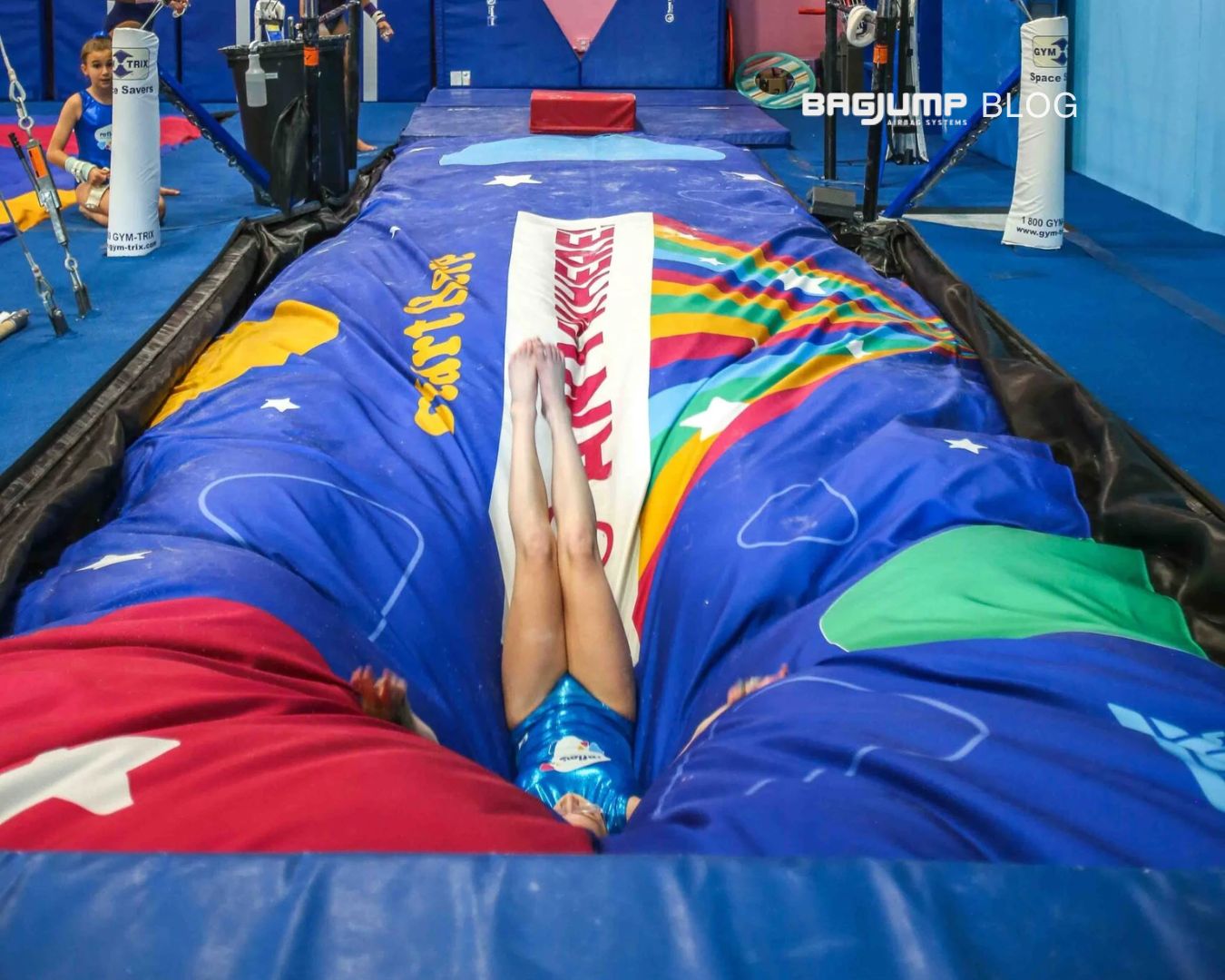
If you only make one upgrade this year, this is the one. The traditional foam pit is one of the oldest ideas in the sport, and after decades of use in gyms around the world, it is finally showing its age. Foam blocks compress over time, hide dust, sweat, and bacteria, and require constant refilling. Athletes hate landing in a pit that has gone soft, and coaches know exactly which corner of the pit is safe and which one is not.
A custom gymnastics airbag solves all of it. The landing surface stays consistent from the first jump of the morning to the last one of the evening. There is no hidden bottom, no compressed blocks, no cleaning day where the entire pit gets emptied into the parking lot. Athletes can rotate through it faster because the recovery is quicker, which means more reps per session and faster progression.
For a gym owner, that is a rare upgrade that pays back in three directions at once: safety, athlete progression, and operating cost.
-
Upgrade the Spring Floor
The spring floor is the most used piece of equipment in the entire gym, and it takes the most punishment. Most floors are replaced far later than they should be, usually only after a coach starts noticing dead spots or after an athlete complains about a specific area. A modern spring floor gives more consistent rebound across the entire surface, absorbs impact more evenly, and reduces the joint fatigue that shortens careers.
If a full replacement is not in the budget this year, at least commit to a full inspection. Replacing springs, checking the plywood layer, and refreshing the carpet bonded foam can extend the life of a floor by several seasons and make a noticeable difference for the athletes training on it every day.
-
Add or Expand the Tumble Track
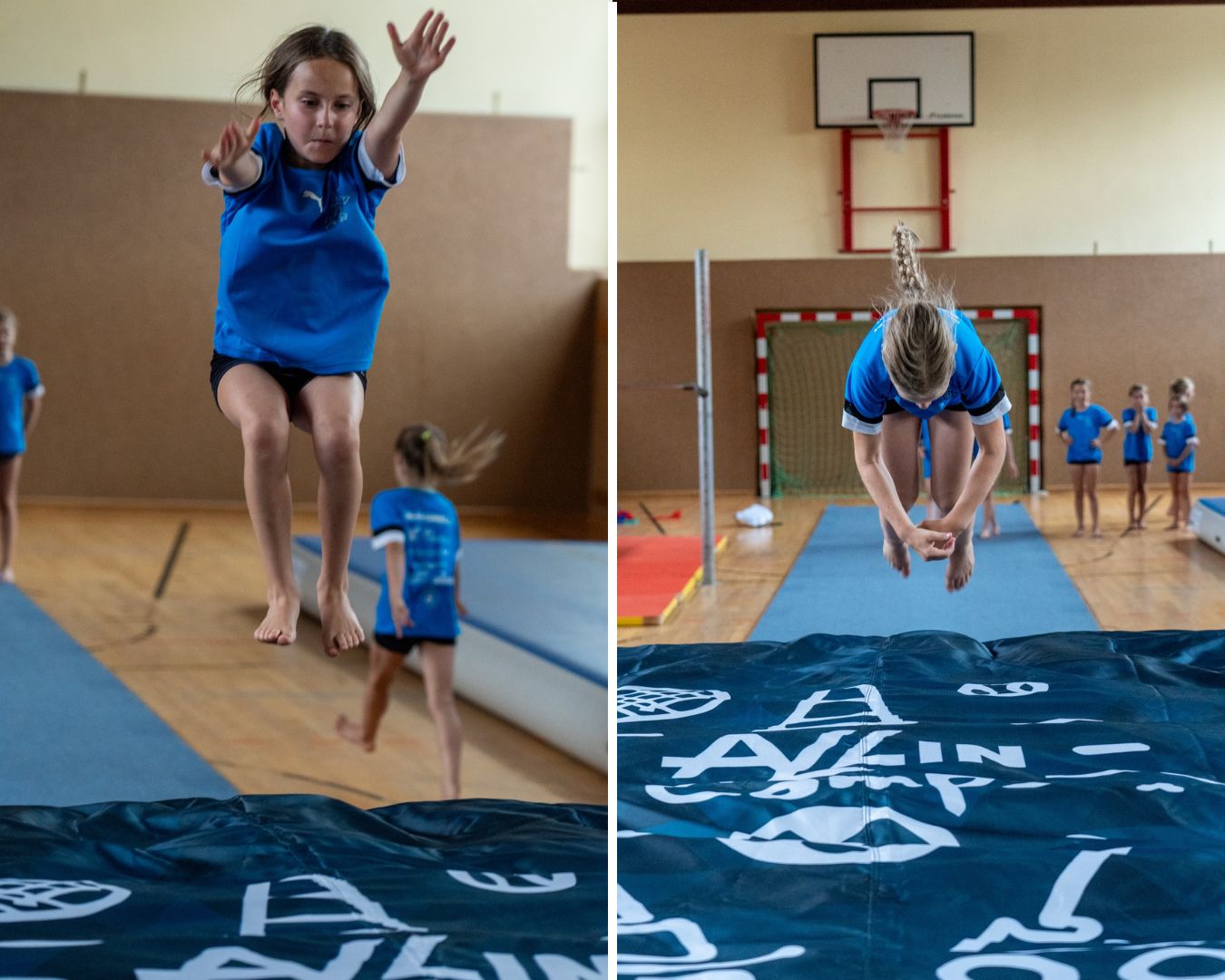
Tumble tracks have moved from a nice extra to something serious gyms are expected to have. They allow athletes to work on passes, connections, and new skills without the wear and tear of the main floor, and they are also one of the most requested pieces of equipment by recreational members who want to feel like they are training the same way competitive athletes do.
Pairing a tumble track with a Bagjump landing at the end turns it into a complete progression tool. Athletes can push new skills, land safely, walk back, and try again. Coaches get more attempts per session, which is where real progress happens.
-
Bring Coach Technology into the Gym
The gap between gyms that use video review and gyms that do not is getting bigger every year. A simple setup with a tablet, a tripod, and a delayed playback app changes how quickly athletes understand their own movement. Add wireless headsets for the head coach and floor coaches during busy sessions, and the entire operation runs smoother.
Parents notice this too. When they see a coach reviewing a skill with their kid on a screen, the perception of professionalism jumps immediately. It signals that the gym is serious about development, not just supervision.
-
Rethink the Parent Viewing Area and Digital Check In
Most gyms treat the lobby as an afterthought, and it shows. A cluttered check in desk, a few plastic chairs, and a coffee machine that has not been cleaned in weeks. But the lobby is where parents form 80 percent of their opinion about the gym, because it is the only part of the building they actually spend time in.
A clean viewing area with proper seating, good sightlines to the floor, working WiFi, and a digital check in system removes friction from every single visit. Digital check in also gives you data. Attendance patterns, drop off times, and retention risks all become visible once the front desk stops running on paper.
-
Fix the Lighting and the Air
This one is invisible until you fix it. Old fluorescent lighting flickers, casts uneven shadows, and makes the entire space feel older than it is. Switching to LED panels changes the look of the gym overnight, improves video quality for parents filming from the sidelines, and cuts the electricity bill significantly.
Ventilation is the other silent problem. A gym full of athletes generates humidity, heat, and smells that build up fast in the summer. Modern HVAC systems, dehumidifiers, and even a few well placed industrial fans keep the space comfortable, protect the equipment (chalk and humidity are a bad combination for spring floors and mats), and give parents one less reason to consider the competitor down the road.
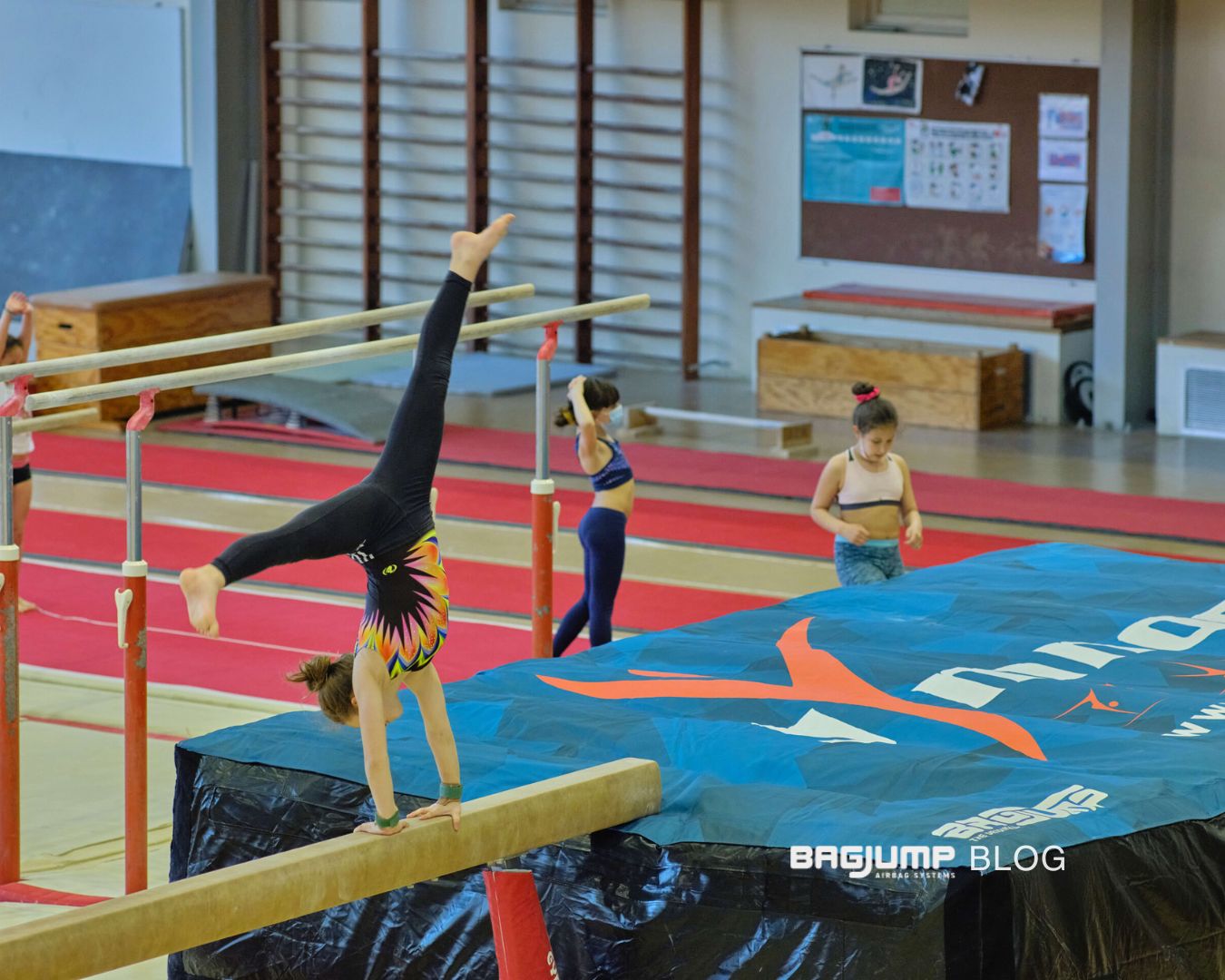
None of these upgrades are cosmetic. Each one either extends the life of the facility, improves the training environment, reduces risk, or gives parents a reason to stay. The gyms that will still be full in ten years are the ones investing now, before the equipment forces them to.
The foam pit swap is the single biggest lever on this list, and the one most owners keep pushing to next year. Next year is the year the gym leading the market already made the switch.
Mehr lesen