How Olympic Athletes Increase Trick Complexity Safely
Have you ever asked yourself how Olympic athletes continue to push limits and break new records every year?
The Winter Olympics in Cortina have come to an end. Records were broken, new Olympic heroes emerged, and once again, the world witnessed a level of technical progression that seemed impossible only a few years ago.
You’re not alone in wondering how this happens. Every four years, we ask ourselves the same question: how are Olympic athletes pushing the boundaries of winter sports even further? In disciplines like halfpipe, how do snowboarders and freestyle skiers continue adding rotations, flips, and combinations without dramatically increasing injury risk?
We sat down with Olympic coaches and winter sports experts, and while the answer is complex, it clearly lies in modern training systems. Today’s Olympic progression is not based on reckless risk-taking. It is built on structure, repetition, and controlled environments that allow athletes to increase trick complexity like never before.
The Evolution of Trick Complexity
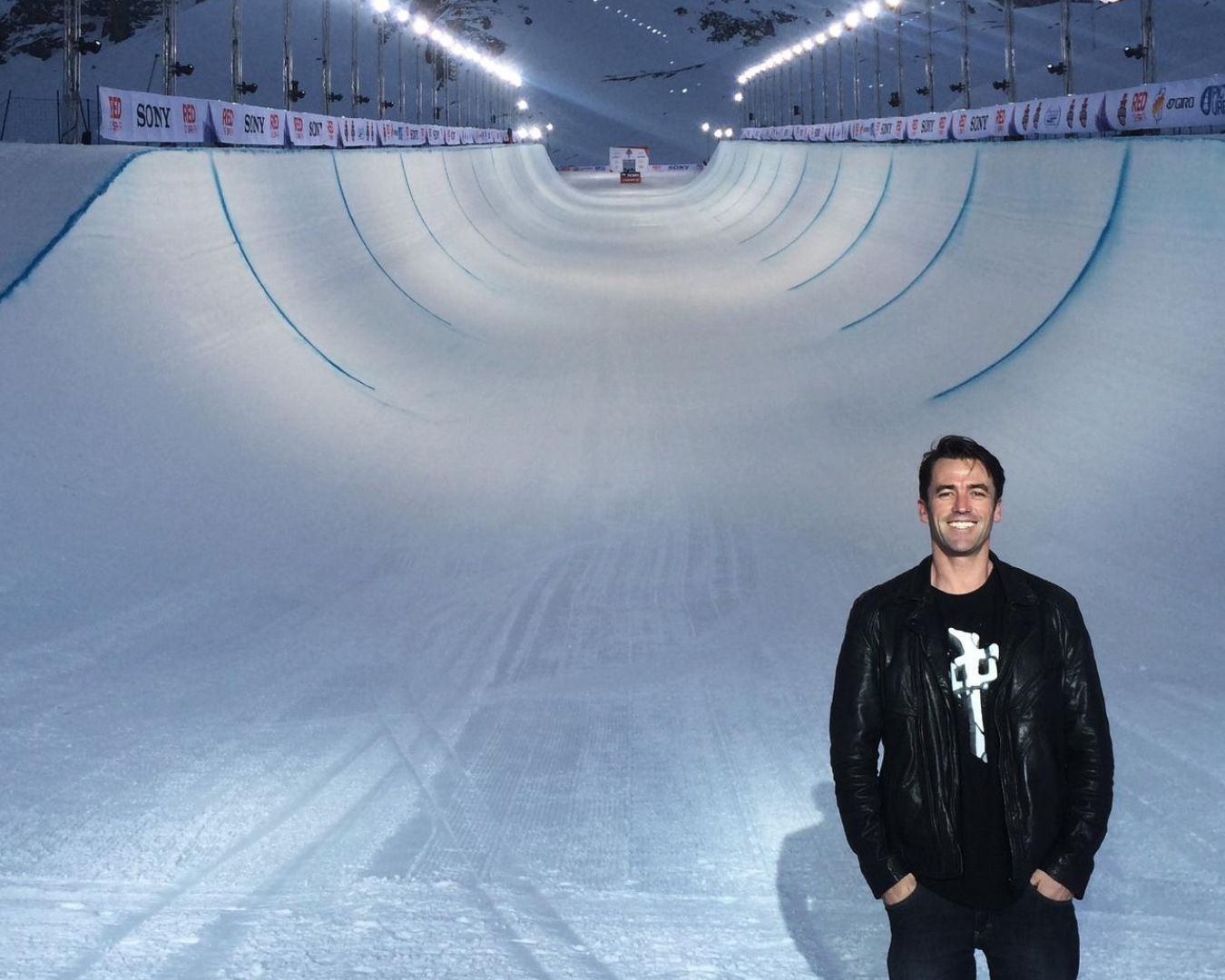
In disciplines such as snowboard halfpipe, slopestyle, big air, and freestyle skiing, we see major developments every Olympic cycle. Double corks have become standard. Triple flips are no longer rare. Rotational combinations that once defined medal runs are now expected from the very first run.
We saw this in the Snowboard Halfpipe competition in Cortina, where athletes like Scotty James and Yuto Totsuka pushed the limits from day one.
But this evolution did not happen because athletes became more reckless. It happened because training methods improved.
Modern Olympic athletes follow progression systems designed to reduce uncertainty long before they compete on snow. Instead of testing new maneuvers directly in unpredictable conditions, they build them step by step in controlled settings.
Canadian National Team Halfpipe Coach Trennon Paynter explains the importance of this structure:
“When you’re going from a single flip to a double flip or a double to a triple, that’s where you really want the airbag. Every time your head goes underneath your body, the risk increases. You want that really figured out first.”
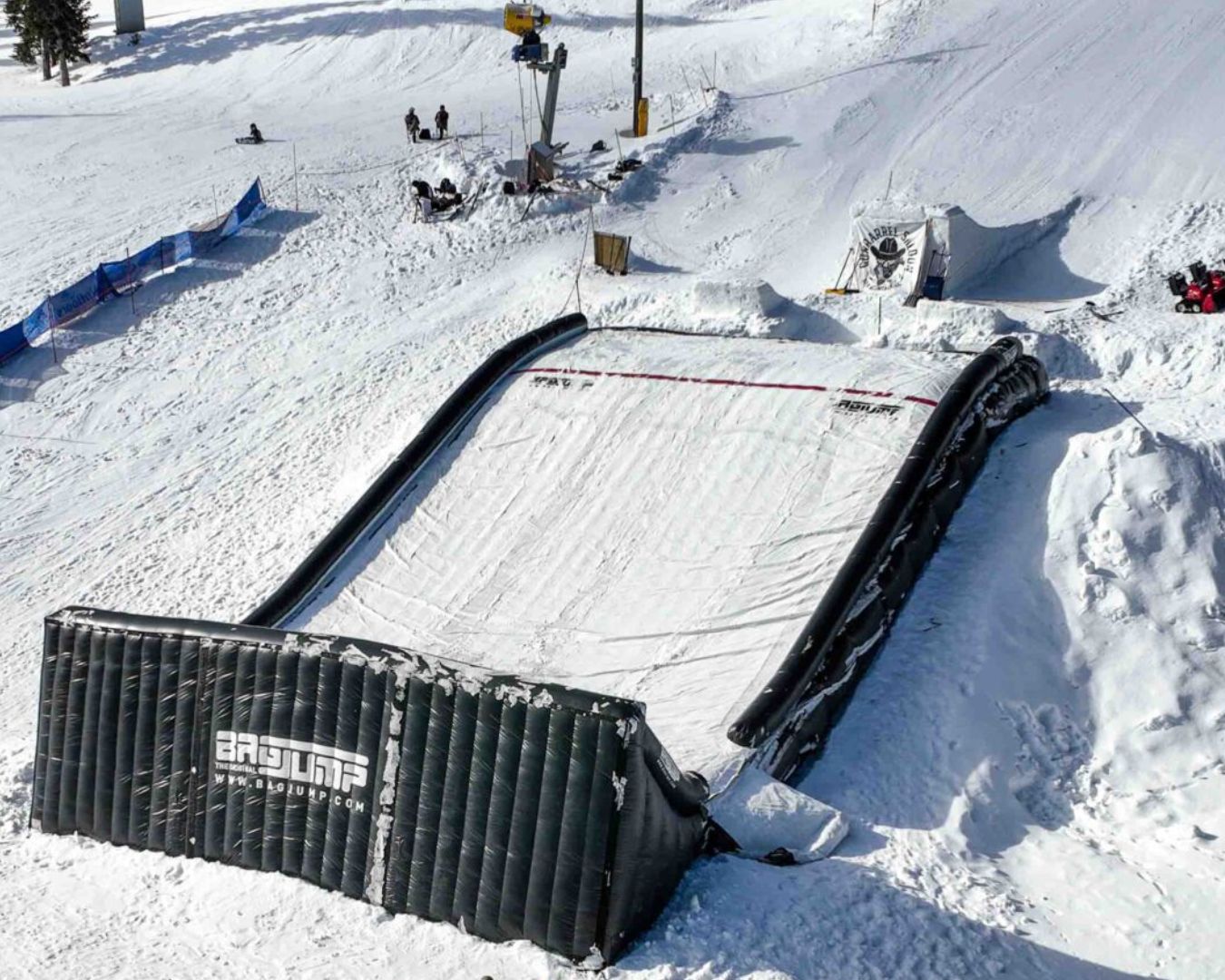
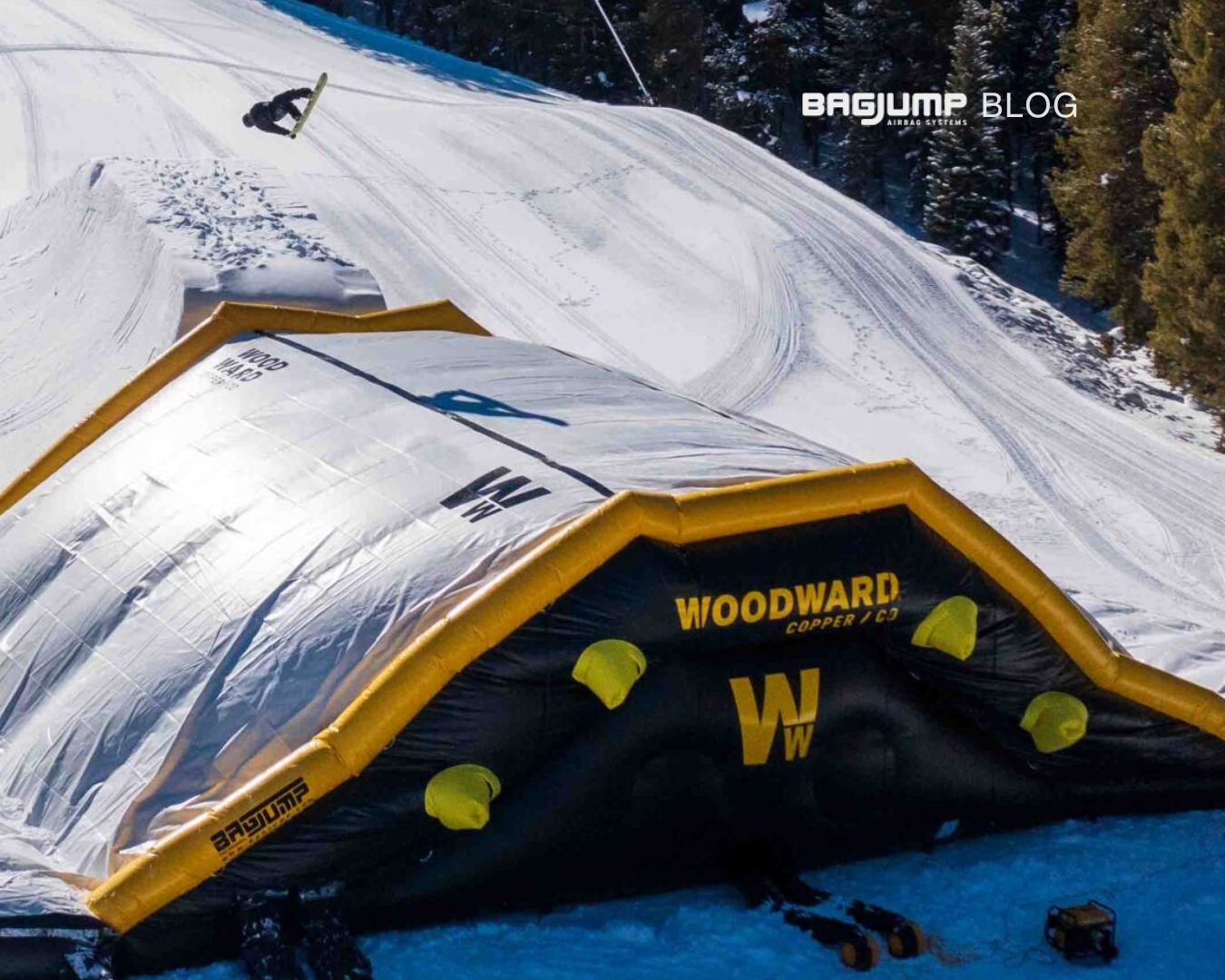
This mindset defines modern Olympic preparation. Scotty James does not attempt an additional rotation on snow for the first time in competition. He has practiced the movement in controlled environments, often on a Bagjump airbag, hundreds of times.
The Two-Phase System for Progression
Increasing trick complexity safely requires more than landing a trick once. According to Trennon Paynter, safe progression follows two essential phases.
First, the athlete must prove they can execute the trick at all. This stage focuses on rotation timing, body position, and overall control.
Second, and more importantly, the athlete must demonstrate consistency. They need to land the same trick in the same position over and over again. This builds the precision required for Olympic-level competition.
Snowboarder and park builder Charles Beckinsale emphasizes how critical consistency is in disciplines like halfpipe, where the margin for error is extremely small. We saw this clearly in Cortina. Landing slightly too high or too low in the pipe can disrupt the entire run or cause dangerous impact with the flat bottom.
“You’re not just learning the trick,” Trennon explains. “You’re developing the consistency to land in the same place every time.”
How Airbag Training Reduces Risk in Olympic Preparation
One of the most significant developments in Olympic winter sports training is the widespread use of airbags.
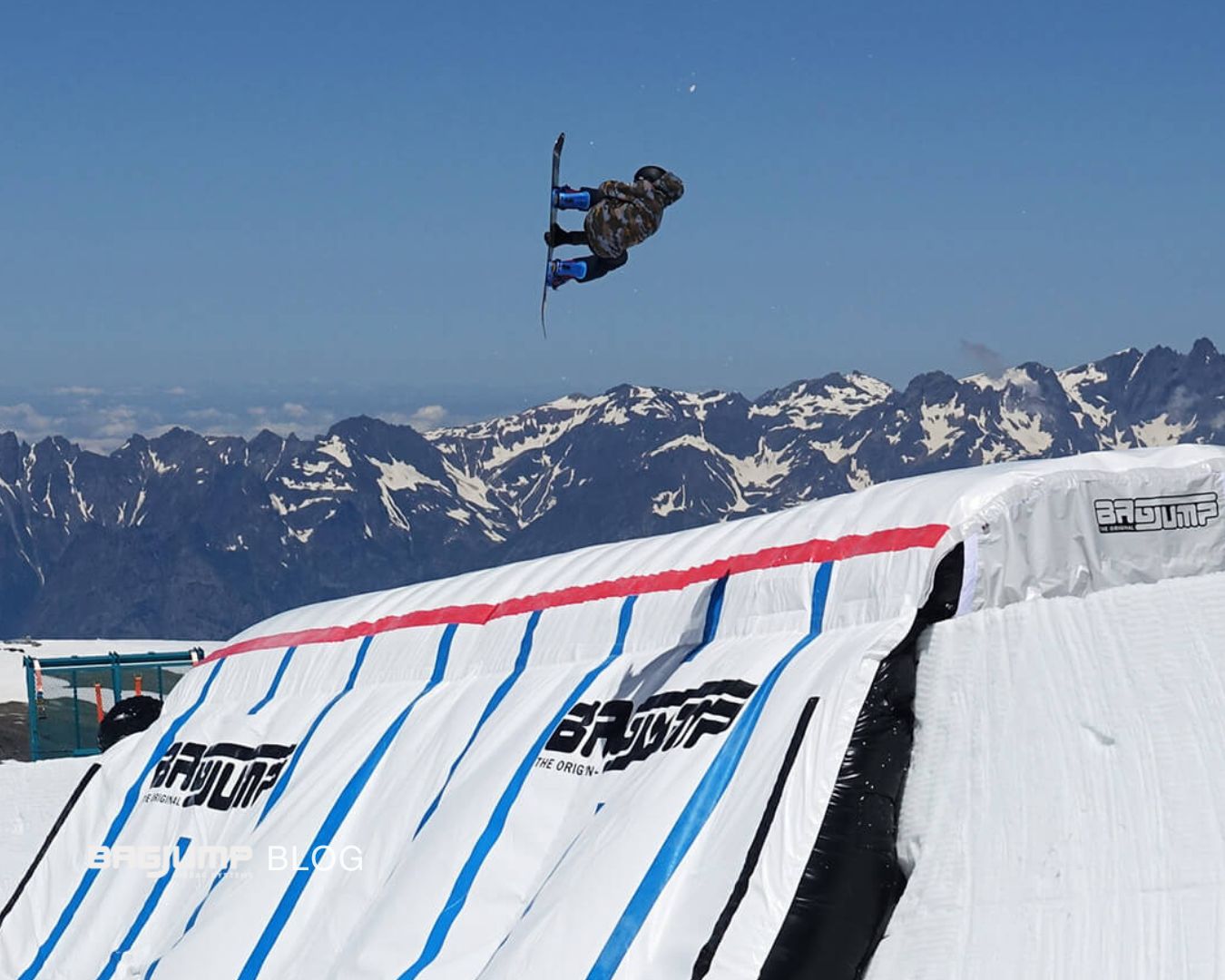
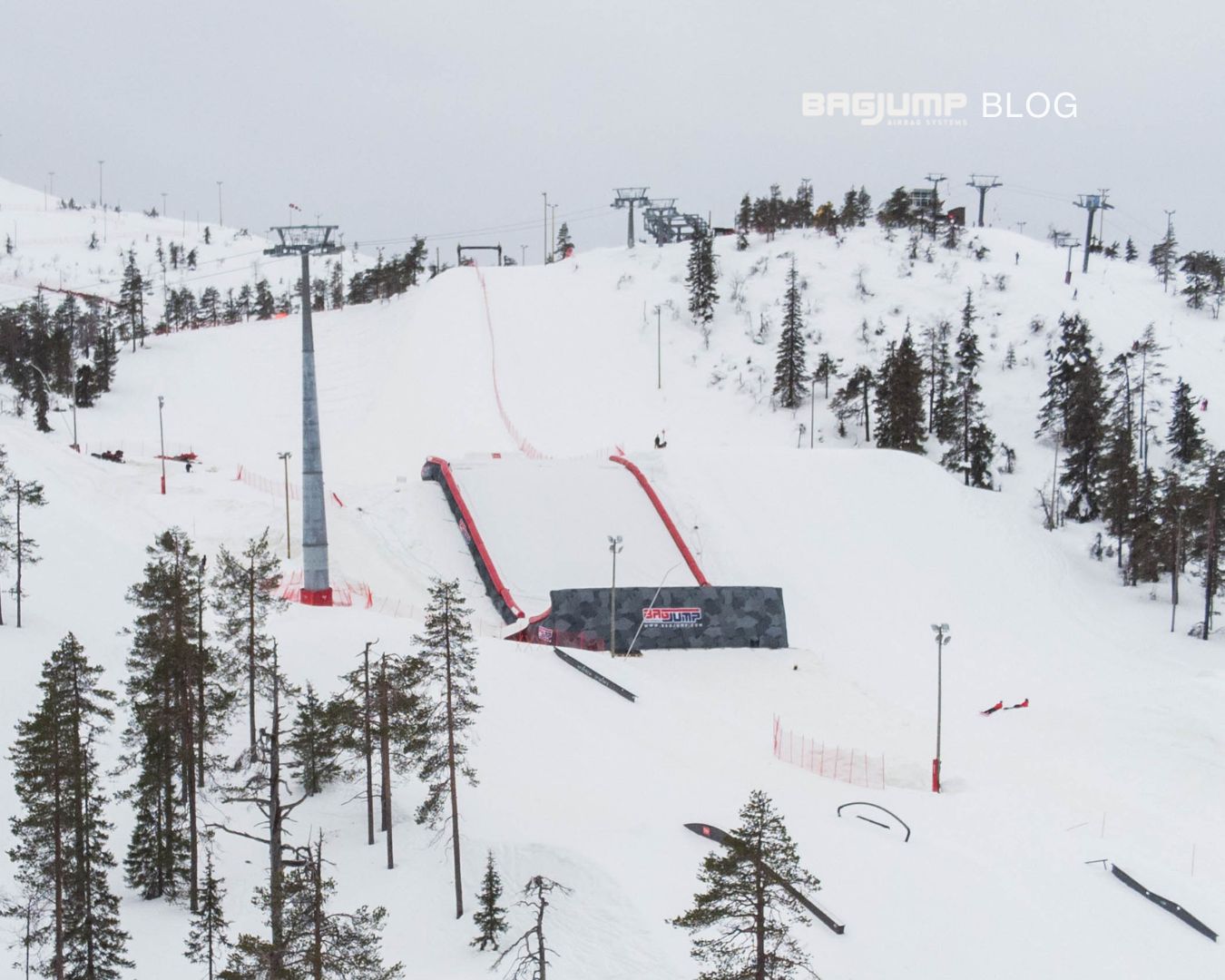
Airbag systems such as the Bagjump Vertbag, Snow Landing Airbag or the All-Round Airbag allow snowboarders and freestyle skiers to practice high-risk tricks in a controlled landing environment before transferring them to snow. Instead of absorbing full impact on hard-packed snow or icy pipe walls, athletes land in a system designed to manage and distribute impact forces.
Charles has seen firsthand how airbag training has changed the sport.
“Airbags allow endless tries and endless landings,” he told us. “By the time athletes take a trick to snow, they’ve already mastered it.”
This shift has fundamentally changed how risk is managed in Olympic training. Athletes are no longer attempting completely new tricks for the first time in live snow conditions. Instead, they refine them extensively in controlled environments before bringing them to competition.
Trennon was equally clear. As a coach of an Olympic team, he cannot imagine elite-level athletes training without airbags.
Year-Round Olympic Training
Another reason trick complexity continues to increase is the shift to year-round training.
Olympic snowboarders and freestyle skiers no longer depend solely on winter conditions. Their off-season training includes trampolines for air awareness, dry slopes for realistic takeoff mechanics, and airbags for safe landing progression.
Progression is step by step, and it happens all year round across the globe.
Trampolines help athletes master body awareness and rotation timing. Airbags allow them to execute the same tricks with skis or snowboards attached. Snow becomes the final transfer stage, not the starting point.
Why the Ceiling Keeps Rising
Looking back at Cortina, it may seem like the sport has reached its technical peak. History suggests otherwise.
Ten years ago, experts believed certain rotational limits could not be exceeded. Today, those limits have already been surpassed. Trennon admits it is difficult to predict where sports like halfpipe will be in ten years, but he is confident that the performance gap between men and women continues to narrow.
Structured training systems, safer landing technology, and intelligent risk management ensure that the ceiling keeps rising.
The Future for Olympic-Level Athletes
The Winter Olympics in Cortina showcased the highest level of freestyle skiing and snowboarding ever seen. But the progression we witnessed was not spontaneous. It was the result of structured and intelligent preparation.
This competition is now over, but the next Olympic cycle has already begun. One thing is certain: the boundaries of winter sports will continue to move. Not because athletes are taking greater risks, but because they are managing risk better than ever before.
We cannot tell you today what rotations we will see in four years. But we can confidently say that somewhere in the world, one or two athletes are already practicing those moves on a Bagjump.
Read More